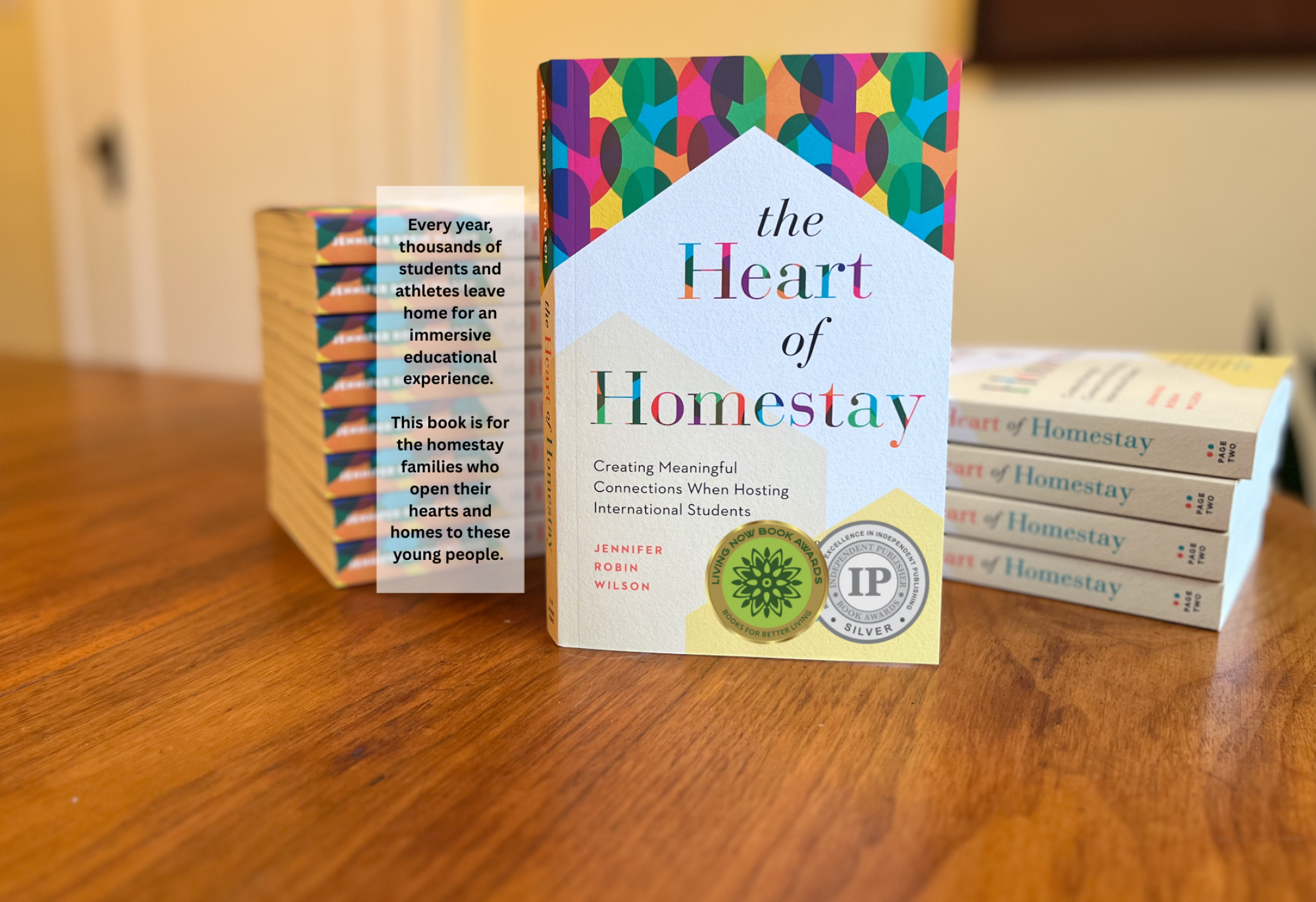

One of the core messages in my book is the idea that hosting takes work. Hosts have to learn how to foster great relationships, but it’s worth it.
Here’s an excerpt from chapter 1, where I explain this central concept:
I’m not suggesting that hosts shoulder all the responsibility for positive outcomes (and I lament the cases where hosts are unfairly blamed by agents and parents). Yet it’s not a fifty-fifty partnership, either. As the host, you create the conditions for an optimal relationship with your student. You are the host, after all. You’re providing the space for this relationship, the way a gardener turns a plot of land into fertile ground. When the student comes along, they join you as a fellow gardener of this soil, working side by side with you to nurture the growth of your relationship. If you approach hosting with this mindset, adding the right nutrients to the soil, ensuring there is light and air and water available, you have a better chance of success when it’s time to plant your first seed—or your hundredth.
I was reminded of this a few days ago, when my dear friend and colleague Brenda St. Jean sent me a video clip of Maya Angelou–memoirist, poet, and civil rights activist–reminding us of our ability to bring light into someone else’s darkness, no matter how different we may be. She says:
“I’ve had so many rainbows in my clouds. And the thing to do, it seems to me, is to prepare yourself so that you can be a rainbow in somebody else’s cloud. Somebody who may not look like you, may not call God the same name you call God, if they call God at all, you see? And may not eat the same dishes prepared the way you do, may not dance your dances or speak your language. But be a blessing to somebody. That’s what I think.”
This, to me, is one of the joys of homestay: to be a blessing to somebody. What a gift.