
Let’s be honest: homestay isn’t for everyone.
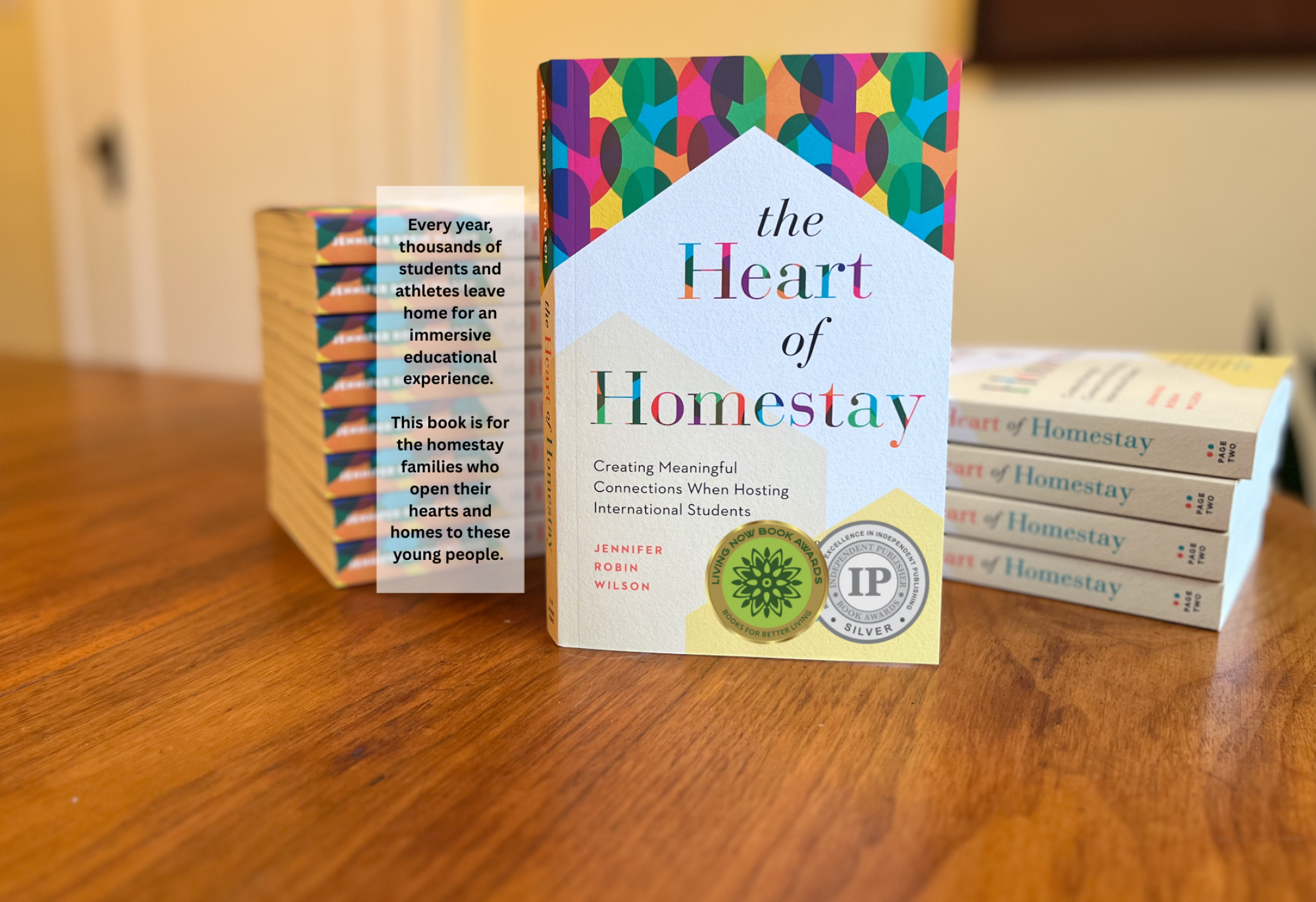
Cross-cultural relationships can be awkward, and can get pretty difficult at times. 📣 For those who see the value in trying, who choose to embark on this adventure despite the risks, it helps to normalize discomfort. I explain what this means and how it connects to leadership in this excerpt from my book, “The Heart of Homestay.” 📚
“It’s uncomfortable to offer feedback, and to parent other people’s children. It’s uncomfortable to welcome a stranger in your home in the first place. It’s uncomfortable to live with someone whose interests don’t align with yours, who keeps a different schedule than you, who has different hygiene habits. It’s uncomfortable to communicate with someone who may completely misunderstand your meaning. It’s uncomfortable to challenge the status quo of your life.
Yet isn’t this precisely a reason to do it? In discomfort, don’t we see a unique opportunity for ourselves, our families, and our communities? As author and educator @Seth Godin says, “When you identify the discomfort, you’ve found the place where a leader is needed. If you’re not uncomfortable in your work as a leader, it’s almost certain you’re not reaching your potential as a leader.” Embracing your role as a host means embracing your role as a leader, and growing into that role with every uncomfortable moment. Hosts create the conditions for an optimal relationship with their student, partly by normalizing discomfort.
Can you imagine saying to your kids, spouse, and students, “We believe growth and learning are uncomfortable. It’s a normal part of the learning process, and it’s an expectation of being in homestay and being part of this family. You’re not alone!” Normalizing the awkward parts of #homestay is a powerful way to shift your experience as a host.”
How about you? In your families and workplaces, do you talk about discomfort as the place where learning happens? .